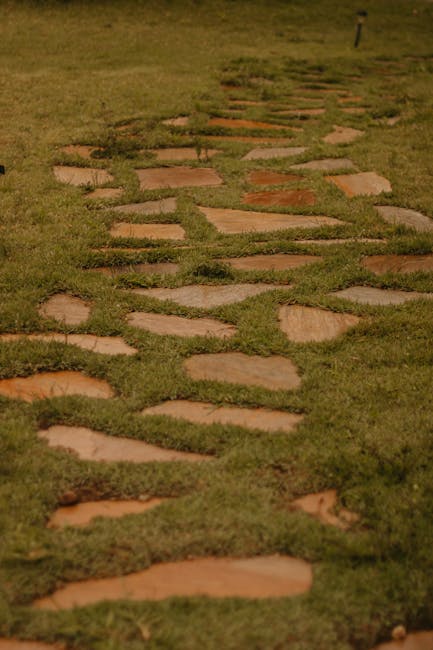
Step by Step Turf Repair for Gardeners After Heavy Rain
Heavy rain can leave even a well-kept lawn looking tired, patchy, and a bit sorry for itself. One day the turf is fine; the next, you're staring at puddles, smearing mud, flattened grass, and maybe a few areas that smell damp in that unmistakable post-downpour way. If that sounds familiar, you're in the right place.
This guide on step by step turf repair for gardeners after heavy rain walks through what to do, what to avoid, and how to bring the lawn back without making the damage worse. The aim is simple: help you stabilise the surface, protect the roots, and rebuild healthy turf in a way that actually lasts. Not the rushed, "just throw some seed on it and hope" approach. Let's face it, that rarely ends well.
Whether you're dealing with compacted borders, thin grass, ruts from foot traffic, or bare patches after a storm, the process is usually more manageable than it first looks. A bit of patience, the right timing, and a sensible sequence make all the difference.
Table of Contents
- Why Step by Step Turf Repair for Gardeners After Heavy Rain Matters
- How Step by Step Turf Repair for Gardeners After Heavy Rain Works
- Key Benefits and Practical Advantages
- Who This Is For and When It Makes Sense
- Step-by-Step Guidance
- Expert Tips for Better Results
- Common Mistakes to Avoid
- Tools, Resources and Recommendations
- Law, Compliance, Standards, or Best Practice
- Options, Methods, or Comparison Table
- Case Study or Real-World Example
- Practical Checklist
- Conclusion
- Frequently Asked Questions
Why Step by Step Turf Repair for Gardeners After Heavy Rain Matters
Heavy rain does more than just make a lawn look messy. It can change the structure of the soil, reduce oxygen around the roots, and compact the surface so water sits there instead of draining away. Once that happens, grass struggles. Roots can't breathe properly, seedlings wash out, and the lawn becomes vulnerable to disease, moss, and further wear.
For gardeners, the real issue is timing. A wet lawn is fragile. If you walk on it too soon, mow it too early, or try to repair it while the ground is still saturated, you can turn a short-term problem into a long-term one. The turf may look as though it just needs a quick tidy, but underneath it can be soft, unstable, and easily damaged.
There's also a practical side. In many UK gardens, especially around clay-heavy soils, heavy rain exposes drainage weaknesses that were already there. A few low spots become puddles. A patch near a path turns to mud. A lawn used by children or pets starts to show wear in the same place over and over. Repairing turf properly after rain is about restoring the lawn and also improving how it behaves next time.
Expert takeaway: after heavy rain, the best turf repair is usually not the fastest one. The smartest first move is to protect the lawn while it drains, then repair only once the surface is workable.
How Step by Step Turf Repair for Gardeners After Heavy Rain Works
Turf repair after heavy rain is a sequence, not a single job. Each step supports the next. If you skip straight to reseeding or laying new turf, you may hide the damage for a while, but the same wet conditions can undo the work quickly.
The process generally works like this:
- Assess the damage so you know whether you're dealing with surface flattening, compaction, bare patches, or drainage issues.
- Let the lawn recover from saturation before any physical repair begins.
- Clear debris and reshape the surface so water can move rather than pool.
- Open up compacted soil to improve air, water, and root movement.
- Topdress, overseed, or patch depending on how serious the damage is.
- Protect the area during recovery by reducing traffic and watering carefully.
That might sound straightforward, and in principle it is. But the detail matters. For example, a lawn that is only flattened by rain may just need a gentle lift, some drying time, and light overseeding. A lawn with standing water and ruts may need drainage correction before any replanting will really hold.
To be fair, every garden has its own quirks. A small city garden in London with poor runoff will behave very differently from a larger suburban lawn with freer-draining soil. That's why step-by-step repair works so well: it adapts to the actual condition of the turf rather than forcing a one-size-fits-all fix.
Key Benefits and Practical Advantages
Repairing turf properly after heavy rain gives you more than a tidier lawn. It helps the grass recover its structure, which makes the whole garden easier to maintain over time.
- Better drainage: opening the soil and correcting low spots helps water move away more naturally.
- Stronger root growth: once roots have access to air and space, they recover faster.
- Less mud and mess: stabilised turf reduces the risk of slippery patches and soil transfer onto paths.
- Improved appearance: overseeding and topdressing bring back a more even, healthy look.
- Reduced weed invasion: bare, wet patches are prime territory for weeds; healthy grass closes gaps faster.
- Lower repeat damage: fixing the cause, not just the symptom, means the lawn is less likely to collapse again after the next storm.
There's another quiet benefit too: confidence. Once you know what to do after a downpour, you stop panicking every time the weather turns rough. You notice the difference between temporary waterlogging and a proper turf problem. That makes gardening calmer, and a bit more enjoyable, really.
Who This Is For and When It Makes Sense
This approach suits gardeners, homeowners, and anyone looking after a lawn that has been hit by prolonged rain, a storm, or a run of wet days. It is especially useful if you manage a small private lawn where access is limited and drainage can be a challenge.
It makes sense when you notice one or more of the following:
- the grass is flattened but still alive
- the surface feels spongy underfoot
- puddles linger after rain has stopped
- there are muddy footprints or tyre marks
- bare patches are starting to open up
- the lawn has become thin or patchy in low-lying areas
This guide is also useful if you are comparing DIY repair with professional help. Some turf problems are simple enough to tackle yourself. Others, especially where poor drainage or repeated flooding is involved, benefit from an experienced assessment. If you are in that in-between stage, you may find it helpful to look at pricing and quotes before deciding whether the job is worth handling yourself or passing on.
And yes, if the lawn is still too wet to walk on without sinking, wait. It sounds obvious. People still don't wait. The lawn then pays the price.
Step-by-Step Guidance
1. Wait until the lawn is workable
The first step is often the hardest because it feels like doing nothing. But after heavy rain, the surface needs time to drain. If the ground is still soft enough to leave deep footprints, hold off. Working on saturated turf compresses the soil and can tear living grass away from the roots.
A useful test is simple: walk lightly on the edge of the lawn. If your shoes sink or leave a clear impression, it is still too wet for repair. You want damp, not squelchy.
2. Remove debris, leaves, and compacted thatch
Once the lawn is no longer waterlogged, clear away leaves, twigs, and any wash-up from the rain. Heavy rain often drags soil, mulch, and debris across the surface. If that material is left in place, it can block airflow and trap moisture.
If the lawn has a thick layer of thatch - the spongy build-up of dead grass and organic matter - lightly rake it out. Be gentle. You are not trying to scalp the turf, just open it up so the new growth has room.
3. Identify the type of damage
Not all wet-weather damage is the same. A quick diagnosis saves time later.
- Flattened grass: usually recoverable with light raking and time.
- Compacted areas: feel hard beneath the surface but may still have living grass.
- Bare patches: often need topsoil, seed, or turf patches.
- Rutted or washed-out spots: may need levelling before reseeding.
- Standing water areas: can point to drainage or grading problems.
It helps to walk the lawn slowly and look from different angles. Morning light or late afternoon light often makes dips and uneven patches easier to spot. A small detail, but useful.
4. Aerate compacted soil
Compaction is one of the most common problems after prolonged rain, especially in gardens that get regular foot traffic. Aeration opens small holes in the soil so air and moisture can move down to the roots.
For small lawns, a garden fork can do the job if used carefully. Push it in and wiggle slightly to open the holes, but do not turn the soil over. For larger or more affected areas, a hollow-tine aerator or professional aeration may be more effective.
If water pools in the same place every time it rains, aeration alone may not solve the issue. In that case, the surface levels or drainage may need adjusting as well.
5. Level low spots and ruts
After rain, low areas can trap even more water. Once the soil is manageable, fill shallow depressions with a suitable topdressing mix. For deeper ruts, build the area up gradually rather than dumping everything in one go.
A thin, even layer is usually better than a thick one. You want the grass blades to remain visible and able to grow through the dressing. If you bury the turf, it will struggle. Simple as that.
6. Overseed thin areas or patch bare spots
Once the soil surface is prepared, spread grass seed over thin patches. For bare areas, seed works best if the soil is lightly raked first so the seed makes contact with the earth rather than sitting on top of it.
If the patch is small and the surrounding turf is healthy, patching with a piece of matching turf can be a cleaner solution. Seed is slower but often more economical. Turf patches give quicker visual results, though they need good watering and careful aftercare.
Either way, keep it light. Over-seeding sounds helpful, but too much seed can lead to weak, crowded seedlings and patchy establishment. A measured hand usually wins.
7. Topdress to support germination and recovery
Topdressing is the process of spreading a fine layer of compost, loam, or a turf-friendly soil blend over the surface. It helps protect seed, smooth minor unevenness, and improve soil structure. After heavy rain, it can also give the lawn a much-needed boost if the soil has been washed thin.
Use a thin layer and brush it into the grass gently. The idea is to support recovery, not bury the lawn under a blanket of soil.
8. Water carefully, then reduce traffic
Ironically, a repaired lawn often needs moisture, but not too much. If rain has just passed and the soil is already wet, there may be no need to water at all until the surface starts drying. Once seed has been sown, keep the top layer lightly moist rather than soaked.
Then protect the area. Avoid walking on it. Keep pets off if you can. Put off mowing until the new grass is established enough to cope. A little discipline here saves a lot of rework later.
9. Monitor for the next two to four weeks
This is the bit that many gardeners rush past. After the initial repair, observe how the area behaves. Are the patches filling in? Does water still pool after moderate rainfall? Is the grass growing evenly, or are some spots lagging behind?
If the same area keeps failing, the problem may be deeper than surface damage. You could be looking at drainage, soil structure, or even shade and compaction all working together. Gardens love a layered problem, don't they?
Expert Tips for Better Results
A few small choices can improve the outcome a lot.
- Repair on the right day: aim for a mild, dry spell after rain rather than forcing work during a soggy window.
- Match the seed to the lawn: use a seed mix suited to sun, shade, and wear. The wrong mix may grow, but not happily.
- Use gentle pressure when levelling: compact lightly only where needed. Over-compacting is easy to do.
- Feed lightly if needed: if the lawn is tired after the wet period, a suitable feed can help, but don't overdo it on weak grass.
- Keep the repair area visible: mark off areas if people keep stepping through. A bit of string, a few canes, or temporary markers can save the whole repair.
- Watch the surrounding garden: overflowing beds, blocked drains, or hard surfaces shedding water onto the lawn may be part of the problem.
One practical habit I've seen work well is simple: after a storm, take two minutes to inspect the lawn before anything else. Not six hours later, not the next weekend. Two minutes. You catch issues while they are still small and easier to fix. That is often the difference between a minor patch-up and a full reseed.
If you are planning broader garden maintenance after wet weather, it is worth checking how your garden care provider handles site safety and standards. A company with a clear health and safety policy and proper insurance and safety information usually takes the details seriously, and that matters when ground conditions are awkward.
Common Mistakes to Avoid
Most turf repair mistakes after heavy rain come from trying to hurry the process. Very human, truth be told. But lawns punish impatience more than most garden jobs.
- Walking on waterlogged turf: this increases compaction and can tear roots apart.
- Mowing too soon: if the grass is soft and the ground is unstable, mowing can scalp and rut the lawn.
- Adding too much soil: burying grass crowns can suffocate healthy turf.
- Using the wrong seed mix: a seed that doesn't suit the site will fail in the same way every time.
- Ignoring drainage: repairing the top while the bottom stays waterlogged often leads to repeat damage.
- Overwatering repaired patches: seed needs moisture, yes, but mud is not the goal.
- Expecting instant results: new grass takes time. A repair area can look a bit untidy before it improves.
Another common issue is treating moss as the main problem when it is really a sign of poor drainage, shade, or compaction. If you only remove the moss and leave the conditions unchanged, it tends to return. Annoying, but predictable.
Tools, Resources and Recommendations
You do not need a van full of specialist kit to repair turf after rain. In most cases, a few practical tools are enough.
| Tool or Material | What It Helps With | Best Use |
|---|---|---|
| Spring tine rake | Removing debris and lifting flattened grass | Light recovery work |
| Garden fork | Simple aeration and relieving compaction | Small or medium lawns |
| Topdressing mix | Levelling shallow dips and supporting seed | Patch repair and smoothing |
| Grass seed | Filling thin or bare patches | Overseeding and patching |
| Watering can or hose with fine spray | Keeping seed moist without washing it away | Early establishment |
| Board or plank | Distributing weight when access is unavoidable | Temporary crossing of soft ground |
If you are dealing with repeated wet-weather damage, you may also want to think beyond the lawn itself. Surface runoff from patios, compacted paths, blocked edging, or poor borders can all feed the same problem. That is where a broader garden maintenance plan helps. If you are trying to keep ongoing upkeep manageable, about us can help you understand the service approach, while contact us is the sensible next step if you want to discuss a specific garden condition rather than guess at it.
For wider service expectations and payment confidence, it is also reasonable to review payment and security and terms and conditions. Not exciting reading, granted, but useful.
Law, Compliance, Standards, or Best Practice
For most home gardeners, turf repair after heavy rain is mainly a matter of good horticultural practice rather than formal regulation. Still, best practice matters, especially if a contractor is involved or if work is being carried out in shared, public, or managed spaces.
In the UK, sensible expectations usually include:
- working safely on wet or uneven ground
- preventing avoidable damage to the property and surrounding surfaces
- using equipment properly and at suitable times
- protecting workers, residents, pets, and visitors from slips or trips
- disposing of waste responsibly, especially turf offcuts and organic debris
If a garden is part of a managed property, or if you are hiring someone to help, it is reasonable to expect clear communication, safe working methods, and fair handling of any issues. For example, a company that explains its standards through a health and safety policy and a straightforward complaints procedure is usually easier to work with than one that hides the basics.
Environmental best practice also matters. Wet-weather repairs can create waste, especially if damaged turf or debris is removed. Where possible, responsible recycling and disposal should be part of the job. If sustainability is important to you, it's worth seeing how a provider approaches recycling and sustainability. Small detail, but it tells you a lot.
Options, Methods, or Comparison Table
Different turf problems call for different repair methods. Here's a simple comparison that may help you decide what fits your garden best.
| Method | Best For | Speed of Results | Strengths | Limitations |
|---|---|---|---|---|
| Light raking and recovery | Flattened but healthy turf | Fast | Low cost, simple, minimal disturbance | Won't solve drainage or bare patches |
| Aeration and overseeding | Compacted, thinning lawns | Moderate | Improves soil and rebuilds grass density | Needs patience and aftercare |
| Topdressing and levelling | Minor dips, shallow ruts, patchy surfaces | Moderate | Helps smooth surface and supports recovery | Not enough for deeper drainage issues |
| Patch turf replacement | Small bare or damaged sections | Fast visual result | Instant coverage and cleaner finish | Needs careful matching and watering |
| Drainage correction | Repeated pooling or flooding | Slower | Addresses root cause | More work and usually more planning |
In plain English: if the lawn is just tired after rain, go gentle. If the ground keeps staying wet in the same place, don't ignore it. The right method depends on whether you have a surface issue or a soil-and-water issue underneath.
Case Study or Real-World Example
Here's a realistic example from a typical small garden scenario. After a long wet spell, a family lawn near a side return had become patchy and muddy where people crossed it to reach the back gate. The grass in the middle was flattened, and two low spots near the edge kept collecting water after rain.
The repair approach was fairly straightforward:
- the lawn was left alone until the surface firmed up
- debris and soaked leaves were removed
- the compacted crossing point was aerated with a garden fork
- the low spots were filled with a light topdressing mix
- thin areas were overseeded and brushed in
- the area was kept off-limits for a short recovery period
What made the difference was not just the repair itself, but the follow-up. The family also reduced wear by steering traffic along a different path after rain. Nothing dramatic. Just a small change that stopped the same strip of turf from being crushed every time it got wet.
That's often how good turf repair works in real life. A few sensible adjustments, not a grand redesign. And to be honest, that's usually enough.
Practical Checklist
Use this quick checklist before, during, and after repairing turf following heavy rain.
- Check whether the lawn is firm enough to work on
- Look for pooling water, muddy footprints, or soft patches
- Remove leaves, sticks, and washed-in debris
- Rake lightly to lift flattened grass and clear surface thatch
- Aerate compacted sections with a fork or aeration tool
- Level shallow dips with a suitable topdressing mix
- Overseed thin areas or patch bare spots
- Brush in the topdressing and seed gently
- Keep the area lightly moist, not saturated
- Restrict foot traffic until new growth is established
- Review drainage if the same areas keep failing
Practical summary: if the lawn is flattened, wait and lift. If it is compacted, aerate. If it is bare, seed or patch. If it keeps flooding, look at drainage. Simple enough in theory, but each step matters.
Get a free quote today and see how much you can save.
Conclusion
Repairing turf after heavy rain is mostly about reading the lawn properly and resisting the urge to rush. Once you know whether you are dealing with flattened grass, compacted soil, bare patches, or poor drainage, the repair path becomes much clearer.
The best results usually come from a calm, step-by-step approach: wait for the ground to settle, clean the surface, relieve compaction, level where needed, re-establish grass, and protect the area while it recovers. Do that well and the lawn stands a much better chance of coming back stronger, not just prettier.
If the damage feels bigger than a quick DIY fix, or you want help assessing whether the lawn needs targeted repair or broader maintenance, it is sensible to speak with a local specialist. A wet garden can look a bit bleak in the moment, but with the right repair, it often turns around more quickly than you expect.
And when it does, it is a very satisfying sight. Fresh green coming through after all that rain. Worth the patience, every time.
Frequently Asked Questions
How soon should I repair turf after heavy rain?
Wait until the lawn is firm enough to walk on without sinking. If the ground is still soft or waterlogged, repair work can do more harm than good. A slightly damp surface is usually fine; a squelchy one is not.
Can I walk on wet turf if I am only doing a quick fix?
It is better not to, unless access is unavoidable. Even a short walk can compact the soil and damage roots, especially on softer ground. If you must cross it, keep to one route and minimise the pressure.
Should I mow the lawn after heavy rain before repairing it?
Usually no, not straight away. If the turf is wet or the ground is soft, mowing can rut the lawn and stress the grass. Repair and recovery should come first, then mowing once growth resumes and conditions improve.
What is the difference between overseeding and patching turf?
Overseeding means spreading grass seed over thin or worn areas to thicken them up. Patching turf means replacing damaged sections with fresh turf or sod. Seed is slower but cheaper; patches are faster but need more exact matching and care.
Why does my lawn keep puddling after rain?
Repeated puddling usually points to compacted soil, poor drainage, low spots, or a combination of all three. Surface repair can improve things, but if the same area floods every time, the underlying drainage needs attention too.
What tools do I need for basic turf repair?
For a simple repair you will normally need a spring tine rake, a garden fork, topdressing, grass seed, and a way to water lightly. For bigger areas, a levelling tool or aerator may also help.
How long does turf repair take to show results?
Flattened grass may bounce back within days once conditions improve. Seeded areas usually take longer, often a few weeks before you see decent recovery. Full establishment takes patience, especially in cooler or wetter weather.
Can I use garden soil instead of topdressing?
You can in some small situations, but a proper topdressing mix is usually better. It is designed to work with turf, help level the surface, and support grass growth without smothering it.
Is turf repair after heavy rain a DIY job or should I hire help?
Small areas are often manageable as DIY. If you have repeated flooding, large ruts, widespread damage, or unclear drainage problems, professional help can save time and reduce repeat failure. The more the problem keeps returning, the more useful expert input becomes.
How do I stop the same patch from getting damaged again?
Look for the cause, not just the symptom. Redirect foot traffic, improve drainage, reduce compaction, and avoid working on the lawn while it is saturated. If one spot is always weak, there is usually a reason hiding underneath.
Does heavy rain always mean the lawn needs re-turfing?
No, not at all. Many lawns recover with aeration, topdressing, overseeding, and a bit of time. Re-turfing is usually reserved for areas where the damage is too severe for recovery or where the existing turf has failed completely.
Can a professional gardener help with wet-weather turf repair?
Yes. A good gardener can assess drainage, repair damaged sections, advise on the right materials, and make sure the lawn is restored without creating more compaction. If you are weighing up options, checking service information and a clear accessibility statement or the company's privacy policy can also help build trust in how they operate.