Essential spring pruning guide for gardeners across the UK
Spring pruning can feel a bit daunting at first. One week your garden looks sleepy and untidy, the next it is throwing out fresh growth everywhere, and suddenly you are standing there with secateurs wondering what on earth to cut. That is exactly why this Essential spring pruning guide for gardeners across the UK exists: to help you make the right calls, at the right time, for the right plants.
Across the UK, spring weather shifts quickly. A mild spell in Cornwall is not the same as a cold, late-starting garden in Yorkshire, and a wet March in the Midlands can change the whole rhythm of pruning. In practical terms, spring pruning is about encouraging healthy growth without shocking the plant, removing damaged wood, and shaping shrubs, climbers, and trees so they perform better through the season. Done well, it can mean stronger flowering, cleaner structure, and fewer problems later on.
Truth be told, most pruning mistakes come from rushing. The good news? Once you understand the basic rules, it becomes far less mysterious. Below, you will find a clear, UK-friendly guide that explains what spring pruning is, which plants benefit, what to avoid, and how to prune with confidence. If you are also looking for broader garden maintenance support, you may find it useful to read more about our approach to practical garden care and how we think about safety, planning, and tidy results.
One quick note: pruning is not about hacking things back for the sake of it. Sometimes the best cut is the smallest one. That sounds almost too simple, but it saves a lot of regret later.
Table of Contents
- Why spring pruning matters
- How spring pruning works
- Key benefits and practical advantages
- Who this guide is for and when it makes sense
- Step-by-step pruning guidance
- Expert tips for better results
- Common mistakes to avoid
- Tools, resources and recommendations
- Law, compliance, standards and best practice
- Options, methods and comparison table
- Case study or real-world example
- Practical checklist
- Conclusion
- Frequently asked questions
Why spring pruning matters
Spring pruning matters because it sits at a useful turning point in the gardening year. Winter damage becomes easier to spot, dormant buds are waking up, and you can see which plants need a tidy-up before they put their energy into new growth. In many UK gardens, that means less guesswork and better timing. You are not pruning blindly. You are responding to what the plant is showing you.
There is also a simple practical reason: neglected woody growth can quickly get messy. Dead stems, crossing branches, and crowded centres reduce airflow and make disease more likely. Some shrubs flower more freely after a light spring prune because the plant is encouraged to grow in a stronger shape rather than wasting energy on weak, tangled stems. That is especially helpful in small British gardens where every border seems to compete for space, light, and patience.
Spring is also a good moment to reassess plant health after frost, wind, and heavy rain. You may notice split stems, blackened tips, or branches that have rubbed together all winter. Removing that damage now helps the plant recover cleanly. And if you have ever stood in a damp garden at 8 a.m., secateurs in hand, while the robin watches like a tiny supervisor, you will know there is something oddly satisfying about getting this job right.
Expert summary: Spring pruning is not a one-size-fits-all job. It works best when you match the cut to the plant, the weather, and the plant's growth habit. Light, careful pruning usually beats heavy cutting in spring.
How spring pruning works
Spring pruning works by directing the plant's energy. When you remove dead, damaged, or overcrowded material, the remaining stems and buds get better light, better airflow, and more resources. In other words, the plant can put effort into healthy growth instead of maintaining unnecessary wood. That is the basic logic, and it applies whether you are dealing with a rose, a shrub, a climber, or a small ornamental tree.
For most gardeners, the process starts with observation. Before you cut anything, stand back and look at the plant's shape. Ask three questions: What is dead? What is damaged? What is crossing or crowding the plant? Those three checks alone prevent a lot of unnecessary cutting. Then you prune in stages, not in a panic. A little, then a pause, then another look. It is almost always better than trying to finish the whole thing in one sweep.
In UK conditions, timing matters just as much as technique. A cold snap can still arrive in April. A soft frost can nip fresh cuts. So, for tender plants, it is sensible to wait until the risk of severe cold has eased, or to prune very lightly if the plant is vulnerable. On the other hand, established shrubs and hardy roses often benefit from a timely spring tidy before active growth takes off.
Here is the simplest way to think about it:
- Remove dead wood first.
- Cut back damaged or diseased stems to healthy growth.
- Thin overcrowded areas to improve airflow.
- Shape lightly rather than forcing a dramatic form.
- Step back and reassess before making more cuts.
That final step matters more than people admit. Gardens are deceptive up close. A branch that looks awkward from two inches away may balance the whole plant when viewed from the path.
Key benefits and practical advantages
The benefits of spring pruning are both visual and biological. Yes, a cleanly pruned shrub looks tidier. But the real value sits underneath that neat finish: better plant structure, reduced disease pressure, and stronger flowering or fruiting in the months ahead.
Here are the main advantages gardeners usually notice:
- Healthier growth: removing dead and weak material helps the plant focus on productive shoots.
- Better airflow: this lowers the chance of fungal issues in dense growth.
- Improved shape: plants look more balanced and less leggy.
- More flowers or fruit: for suitable species, light pruning can improve performance.
- Safer gardens: reducing unstable or overhanging branches can prevent breakages in wind.
- Easier maintenance later: a little work now often saves a much bigger job in summer.
There is also a subtle confidence benefit. Once you have pruned a few times properly, the garden becomes less intimidating. You begin to see structure rather than chaos. And that shift, to be fair, makes gardening a lot more enjoyable.
For homeowners who want a polished outdoor space without losing the natural feel of the garden, spring pruning is one of the best-value tasks you can do. It supports the whole season, not just the day you do the work.
Who this guide is for and when it makes sense
This guide is for UK gardeners who want practical, reliable pruning advice without overcomplicating it. That could mean a first-time homeowner with a modest back garden, a keen allotment grower, or someone caring for an established landscape with mature shrubs and climbers. It is also useful if you have inherited a garden that has become a bit overgrown and you are not sure where to start.
Spring pruning makes sense when:
- you can clearly see dead or damaged stems after winter
- a shrub has outgrown its space and needs gentle reshaping
- flowering or fruiting plants need selective thinning
- branches are rubbing, crossing, or growing inward
- you want to reduce clutter before the main growing season
It is less appropriate when a plant is still vulnerable to frost, or when you are dealing with species that should be pruned at another time of year. That is where many gardeners go wrong. They assume "spring" is always the correct answer. It is not. Some plants want summer pruning, some prefer after-flowering cuts, and some should be left alone until they show more clearly what they need.
If you are unsure, start conservatively. A light tidy is usually safer than a hard cut. And if the plant matters a lot to the overall look of your garden, it may be worth getting tailored help rather than taking a guess. For broader service expectations and company details, you can also review the site's terms and conditions and insurance and safety information, especially if you are thinking about bringing in a professional team.
Step-by-step guidance
Below is a practical, no-nonsense process that works well for many common garden shrubs and climbers in the UK. It is deliberately simple. You do not need fancy kit or heroic effort.
1. Choose a dry, mild day
Wet weather makes pruning uncomfortable, and very cold conditions can stress fresh cuts. A dry, mild morning is usually best. You will see the plant more clearly, your tools will grip better, and you are less likely to rush.
2. Inspect the plant from all sides
Walk around it. Look for dead stems, inward growth, weak shoots, and branches that rub together. Step back several times. Gardens are funny like that: the obvious problem from one angle may not be obvious at all from another.
3. Remove dead, diseased, or damaged wood first
Cut back to healthy tissue. If you are unsure whether a stem is alive, scratch a tiny section of bark with a fingernail. Healthy wood usually looks greenish and fresh beneath the surface. If it is brown and brittle all the way through, it may be dead.
4. Thin out crowded growth
Open the centre of the plant enough for air and light to move through. This is especially useful for shrubs that tend to become dense and twiggy. Do not strip the plant bare. You are improving structure, not performing surgery on a hedge trimmer's weekend.
5. Shape lightly
Take back the most awkward or overextended stems. Aim for a balanced outline rather than a rigid shape. A natural-looking finish usually ages better than a harsh one, especially in mixed borders.
6. Make clean cuts
Use sharp secateurs or loppers so the cut is neat. Ragged cuts heal less cleanly and can invite problems. Cut just above a healthy bud or side shoot where appropriate, slanting the cut slightly so water does not sit on the surface.
7. Pause, then review
This is the bit people skip. Stop after a few cuts and look again. You may realise you have already done enough. Often, that is the best moment to stop.
8. Clear away debris
Collect prunings promptly so they do not sit damply at the base of the plant. Healthy material can often be composted if your own garden system allows it, while diseased material is better handled separately and not left to spread issues around the border. If sustainability matters to you, the company's recycling and sustainability approach is worth reviewing as a model for greener garden waste handling.
| Plant type | Typical spring pruning approach | What to watch for |
|---|---|---|
| Roses | Remove dead stems, shorten strong growth, and open the centre lightly | Late frost and cutting into weak buds |
| Shrubs | Thin crowded stems and reshape gently | Over-pruning and reducing flowering wood |
| Climbers | Train and tidy, then cut back side shoots where suitable | Damaging main framework stems |
| Fruit bushes | Remove old or unproductive wood according to species | Pruning at the wrong time for the crop |
| Ornamental trees | Only light corrective pruning in spring unless the species tolerates more | Heavy cuts that distort form or stress the tree |
Expert tips for better results
A few small habits make a big difference. They are not dramatic, but they matter.
- Know the flowering habit before you cut. Some shrubs flower on old wood, others on new growth. If you prune the wrong type at the wrong time, you may remove this year's display without meaning to.
- Keep tools clean and sharp. Clean blades give cleaner cuts. Sharp tools reduce strain on both you and the plant.
- Work in good light. Early daylight or a dull afternoon can hide weak stems. You notice more in clear daylight, especially on wet bark.
- Prune for the future, not just the present. Ask yourself how the plant will look in six weeks, not only how tidy it looks today.
- Be careful with tender new shoots. They can be easy to bruise, and once damaged they do not always recover neatly.
- Let some plants be. Honestly, not every shrub needs a spring haircut. Restraint is a skill too.
A useful little rule: if you feel the urge to keep making "just one more cut," stop and have tea. It sounds silly, but that pause often saves the plant from over-pruning.
Another practical tip is to keep notes. A quick phone reminder of what you pruned and when can help next year, especially if you manage several beds or a mixed hedge. Gardening memory is... selective, let's say.
Common mistakes to avoid
Spring pruning problems usually come from enthusiasm outrunning judgement. It happens to nearly everyone at some point. The trick is spotting the pattern early.
- Cutting too much at once: heavy pruning can stress plants and leave them exposed.
- Pruning the wrong plant at the wrong time: some species prefer a different season, so check first.
- Using blunt tools: this tears stems rather than slicing them cleanly.
- Ignoring dead wood: it is easy to leave it in place if you are only chasing shape.
- Leaving crossing branches: friction damage soon follows if stems keep rubbing.
- Working during a cold snap: tender plants can suffer if pruned just before harsher weather returns.
- Forgetting to step back: close-up pruning can make a plant look lopsided from the patio.
One of the most common errors is trying to make every shrub look "finished" in one go. Real gardens are not barber shops. Some plants need a light correction, not a complete restyle. If a stem feels questionable, leave it and come back in a week. There is no prize for fastest pruning.
Tools, resources and recommendations
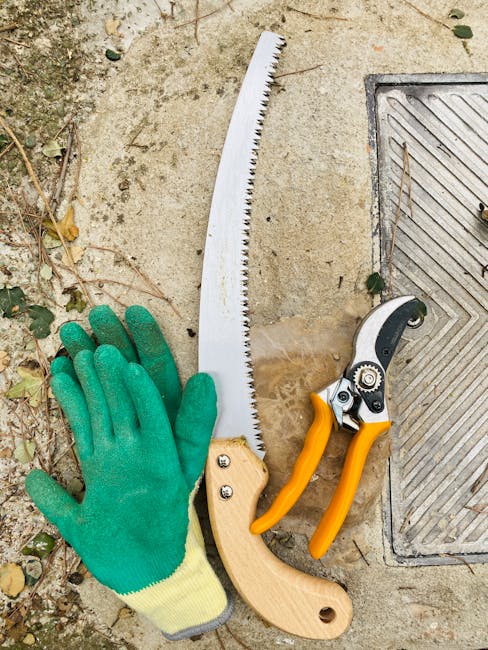
You do not need a van full of gear to prune well in spring. A small, sensible toolkit usually does the job:
- Bypass secateurs for clean cuts on live stems
- Loppers for thicker branches that are too substantial for hand secateurs
- Pruning saw for woody stems beyond lopper range
- Gloves to protect against thorns, splinters, and awkward stems
- Bucket or trug for collecting cuttings as you go
- Disinfecting wipes or cleaner if you are moving between plants that may be diseased
Good tools matter because they make the work safer and calmer. A cheap pair of secateurs that crushes every stem becomes exhausting very quickly. The difference is more than comfort; it affects the quality of the cut, too.
If your spring pruning job involves larger trees, awkward access, or heavy overgrowth, it is sensible to think about professional help. Safety and planning become more important as the work gets bigger. You can review the company's health and safety policy and pricing and quotes information if you want a clearer sense of how a paid garden service may be structured. For getting in touch directly, the contact page is the sensible next step.
Also, if you care about how garden waste is handled, do ask about disposal and recycling practices. A tidy garden should not create a messy trail elsewhere.
Law, compliance, standards and best practice
For most domestic gardeners, spring pruning is mainly a matter of good horticultural practice rather than formal regulation. That said, there are a few sensible standards to keep in mind. If you are pruning near shared boundaries, public pavements, or communal spaces, you should avoid creating hazards, overhanging debris, or obstructed access. In a dense urban setting, that matters more than people sometimes realise.
If you are dealing with protected trees, nesting birds, or very large mature specimens, extra caution is sensible. The exact legal position can vary depending on location and circumstances, so it is wise not to assume. Where there is uncertainty, a professional assessment is safer than guesswork. The same applies if branches are near power lines or require specialist equipment.
Good best practice includes:
- working safely and wearing suitable protective gear
- using clean, sharp tools
- disposing of waste responsibly
- avoiding unnecessary disturbance to wildlife
- not making major structural cuts unless you understand the plant
For service users, clear business policies also matter. If you are choosing a provider, it is sensible to review relevant pages such as privacy information and service terms so you know how communication, payment, and expectations are handled. The company's complaints procedure and accessibility statement can also be useful trust signals when you are comparing providers.
Options, methods and comparison table
Different plants and garden goals call for different pruning approaches. The right method depends on whether you want to shape, thin, rejuvenate, or simply tidy. Here is a straightforward comparison.
| Method | Best for | Pros | Watch-outs |
|---|---|---|---|
| Light tidy pruning | Most shrubs, borders, and established plants | Low stress, quick, and easy to control | May not solve major overgrowth |
| Selective thinning | Dense shrubs and plants with crossing stems | Improves airflow and structure | Needs a careful eye |
| Hard pruning | Only certain vigorous species that tolerate it | Can rejuvenate tired growth | Risky if used on the wrong plant |
| Deadheading and tip pruning | Flowering plants and soft growth | Encourages repeat flowering and neatness | Not suitable for all species |
| Framework pruning | Mature climbers or trained plants | Maintains structure over time | Requires confidence and species knowledge |
If you are unsure which method to use, start with the least aggressive option. You can always remove more later. You cannot put it back.
Case study or real-world example
Imagine a typical semi-detached garden in the South East: one border with a tired shrub, a rose that has become a bit leggy, and a climber trying to swallow the fence. Nothing dramatic, just the sort of garden many UK homeowners recognise straight away.
The first pass is simple. The dead rose canes are removed, the shrub is thinned lightly from the centre, and the climber is trained back onto its supports rather than hacked off at random. A few awkward crossing stems are taken out. The result is not instantly perfect, and that is the honest bit. It looks cleaner, yes, but more importantly it now has space to breathe.
By early summer, the difference shows. The rose pushes better growth. The shrub fills out more evenly. The climber is easier to manage because it was guided rather than punished. That is the kind of improvement spring pruning offers when it is done carefully. Small action, noticeable pay-off. Nothing fancy.
We have seen this pattern time and again: gardens rarely need dramatic intervention as much as they need measured, timely attention. A sensible prune often does more than a heavy one, especially in mixed domestic gardens where structure and softness both matter.
Practical checklist
Use this quick checklist before and during spring pruning:
- Choose a dry, mild day
- Check the plant's species and flowering habit
- Inspect for dead, damaged, or diseased wood
- Decide whether a light tidy or selective thinning is enough
- Use clean, sharp, suitable tools
- Make small cuts and step back often
- Keep the plant's natural shape in mind
- Avoid heavy pruning unless the species tolerates it
- Collect and remove prunings safely
- Review the plant again after a few days if needed
Quick takeaway: If you are in doubt, prune less, not more. That single habit will save most gardeners a lot of trouble.
Conclusion
Spring pruning is one of those jobs that rewards patience. You do not need to do everything at once. You need to observe well, cut carefully, and respect the plant's natural rhythm. For gardeners across the UK, that usually means working with the weather, not against it, and choosing timing and technique with a little restraint.
Whether you are tidying a border shrub, opening up an old rose, or simply removing winter damage, the same principle holds: make the garden healthier, not just neater. That is the real purpose of pruning. And once you start seeing your garden that way, it becomes much easier to judge what to cut and what to leave alone.
If you would like expert help with garden maintenance, safety-minded pruning, or a tidy-up before the season gets moving, take a look around the site and decide what suits your garden best. No rush. A good spring job is usually the one that feels calm, deliberate, and finished with care.
Get a free quote today and see how much you can save.
Frequently Asked Questions
What is the best time to prune in spring in the UK?
The best time depends on the plant and local weather. In many gardens, late winter into early spring is suitable for certain shrubs and roses, but tender plants may need you to wait until frost risk has passed. If in doubt, prune lightly and conservatively.
Which plants should not be pruned heavily in spring?
Some plants flower on old wood or are sensitive to late cold, so heavy spring pruning can reduce flowering or stress them. Examples vary, so the safest approach is to check the plant type before making major cuts. A light tidy is often the better option.
Can I prune roses in spring?
Yes, many roses are commonly pruned in early spring. Remove dead and weak growth, then shape the remaining stems to encourage strong new shoots. Take care around frost, because fresh growth can be vulnerable if a cold snap returns.
Should I prune shrubs before or after flowering?
That depends on whether the shrub flowers on old wood or new growth. Spring-flowering shrubs are often pruned after flowering, while others are better handled earlier. This is one of the main reasons gardeners get caught out.
How much can I cut back without harming the plant?
For most spring pruning jobs, less is more. Remove dead, damaged, or crossing stems first, then shape lightly. If the plant is vigorous and the species tolerates harder pruning, you may be able to do more, but only with confidence and the right timing.
What tools do I need for spring pruning?
A decent pair of bypass secateurs, loppers for thicker stems, gloves, and something to collect cuttings are usually enough. For larger branches, a pruning saw may help. Sharp, clean tools make the whole job easier and neater.
Is it okay to prune when the weather is damp?
It is possible, but dry conditions are better. Damp weather makes cuts harder to see and can make the job less comfortable. More importantly, it is easier to rush when your hands are cold and the ground is wet.
How do I know if a branch is dead?
Look for brittle wood, lack of buds, and a dry, brown interior beneath the bark. A small scratch test can help: healthy tissue is usually greenish underneath, while dead wood often looks dry and brown all the way through.
Can spring pruning improve flowering?
Yes, for many suitable plants it can. By removing weak or crowded growth, you help the plant put energy into healthier shoots and better flower production. The effect depends on the species and on how carefully you prune.
What should I do with the cuttings after pruning?
Healthy cuttings can often be composted or reused in line with your garden's waste system, while diseased material should be handled separately. Keeping the area clean prevents pests and fungal issues from lingering around the plant.
When should I call a professional instead of pruning myself?
If the work involves large branches, awkward access, unstable trees, or anything near a boundary, roofline, or power line, professional help is the safer choice. It is also sensible if you are unsure about the species or the best pruning method.
How much does professional pruning usually cost?
Costs vary depending on the size of the job, access, waste removal, and the type of plants involved. A straightforward small prune is very different from dealing with overgrown mature shrubs. For a realistic figure, it is best to request a tailored quote rather than guess.
Can spring pruning be combined with a general garden tidy-up?
Absolutely. In fact, that is often the most efficient approach. Pruning, clearing debris, and refreshing borders tend to work well together because you can see the garden's structure more clearly once the clutter is removed.